
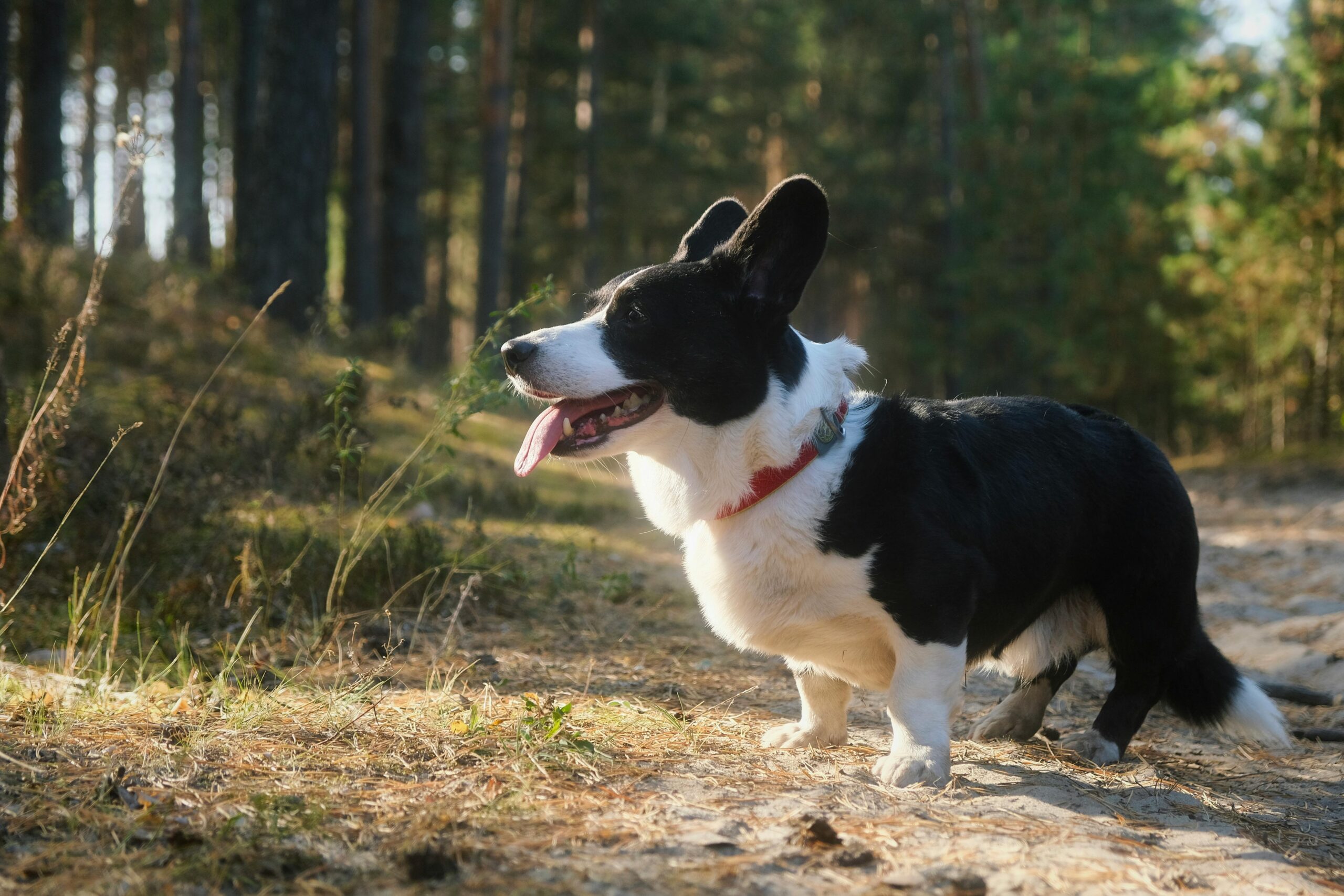
The weather’s already warming up here in Nevada County, and if you’re thinking about exploring the local trails, it’s important to make sure you and your companion animals stay safe. This post has some helpful tips about wildlife to watch out for, trial etiquette to follow and general rules to know before you start your day hike.
The tips here are not intended to serve as medical or veterinary advice. Always consult your doctor or veterinarian or seek immediate care if you’re in a life-threatening emergency.
1. Watch Out for Poison Oak, Ticks, and Snakes
We have incredible scenery on these trails, but there can also be hidden dangers around us:
- Poison Oak: Have you ever heard the saying “Leaves of three, let them be”? Poison oak has leaves that look like standard oak leaves and it grows as a vine or a shrub. If you do come into contact with the plant, there are typically over-the-counter treatments or medication available. If your dog is showing any signs of a reaction, you should consult your veterinarian as soon as possible.
- Rattlesnakes: These snakes often love to sun themselves on rocks or right in the middle of the trail. It’s advisable to keep dogs on a 6-foot, non-retractable leash to prevent them from getting into tall grass or other areas where snakes hide. If you or your dog have been bitten by a rattlesnake, seek medical attention immediately. This resource can help you locate a veterinary clinic with antivenin and also has some tips for what to do after a snake bite.
- Ticks: Stick to the center of the trail and do a thorough check around your (and your dog’s) feet, legs and other areas before getting back into the car. Ticks are very small, but if you wear lighter-colored clothing it can be easier to check for them. You can also keep a sticky lint roller in the car. Roll it over your dog’s coat and your pant legs/shoes before you get in the car. Ticks will stick to it! You may want to consider consulting your veterinarian for a prescription-grade medication for your dog to prevent ticks, fleas and other dangers year round.

2. Know the Trail Etiquette
Many of our trails in Nevada County are multi-use. Always look out for special rules at trailhead markers to make sure pets, bikes, etc are allowed. This is the standard yield etiquette to follow when around other hikers, bicycles and horses:
- Bikes Yield to Everyone: Mountain bike riders should yield to both hikers and horses.
- Hikers Yield to Horses: If you see an equestrian approaching, step off to the downhill side of the trail. This can help you to appear less “imposing” to the horse and prevents them from losing their footing. Do not try to pass a horse on a bike or on foot where it is unsafe to do so.
- Communicate to Others: If you’re passing from behind, a friendly “Passing on your left!” goes a long way in preventing startled animals or humans. Avoid wearing noise cancelling headphones or anything that makes it difficult to hear your surroundings.

3. Overall Trail Safety
Regardless of where you choose to hike, here are some important tips to follow:
- Thunderstorms: If you hear thunder, you are within striking distance. Climb down from high areas immediately and avoid standing under the tallest tree. It’s recommended to instead look for a group of shorter trees or a low-lying area to stay until the storm passes.
- Stay Hydrated and Pack Food: Always pack 20% more water than you think you’ll need. Bring a collapsible dog bowl so that your dog can easily drink water too. Don’t forget to bring snacks for you and your pup!
- Know and Share Your Location: In general, it’s a great idea to let a friend or family member know that you’ll be hiking. If you can, download the map to your phone or smart watch for the trail you’ll be navigating, in case you lose cell service. Always stay on the established path and do not go off the trail or you risk getting lost.
- If You Do Get Lost: And if you have your phone with you but you can’t get service, change the outgoing message (voicemail) on your phone before it loses power, and give as much information as possible about where you are so those who might call may get the message and call for help.
Don’t forget the essentials: Along with food and water, it’s a good idea to bring sunscreen, bug spray and even a small first aid kit if the need arises. Wear good hiking shoes for added comfort and a hat for sun protection. You may also want to bring a portable phone charger and a light jacket.