
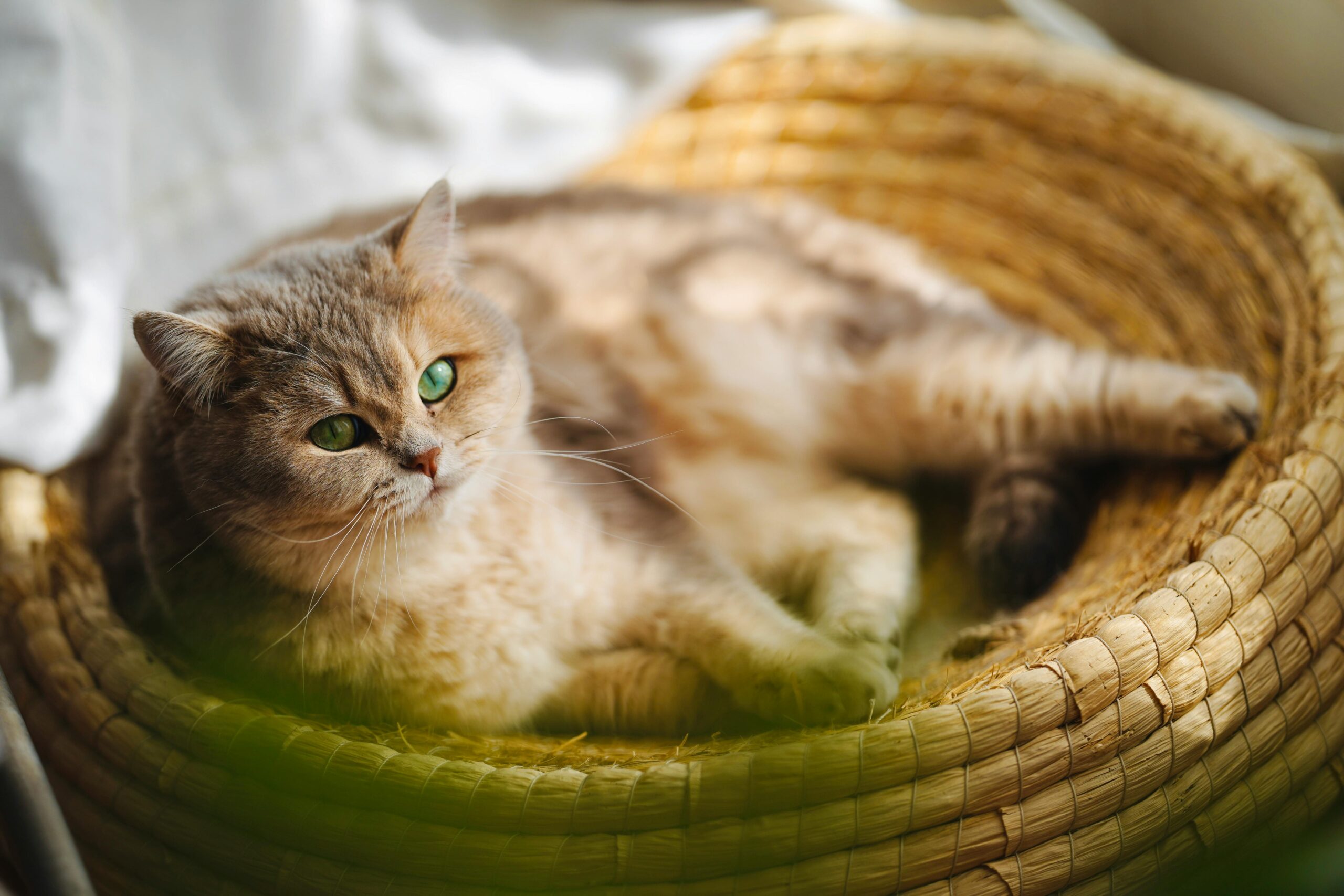
Here in Nevada County, the temperatures are cooling down and we get closer to the possibility of the first snow day of the season. For any cat owners, this is the time to make sure your kitty is staying warm, healthy, and happy through the winter months. Whether your cat is fully indoors or has access to go outside, these tips will help them thrive in the cold.
Note: All cats have different needs and these tips are not intended as medical advice. Always consult your veterinarian for any health concerns about your animals.
Keeping Indoor Cats Warm and Happy
House cats can feel the winter chill too, and drafts or changes in your home heating schedule can be more noticeable.
Create Warm Spaces: Cats instinctively seek out the warmest spots. Place a cozy bed or blanket near a sunny, south-facing window (to catch that lower winter sun) or near a heat source.
Fireplace and Heat Safety: Be very careful with fireplaces, wood stoves, and even space heaters. Use a secure screen or gate to prevent your cat from getting too close and risking burns or starting a fire. Consider a space heater that has an automatic shut-off to keep your cat and home safe. Space heaters should be plugged directly into a wall socket: don’t use extension cords or power strips.
Combat Dry Air & Static: Central heating or wood stove heat can dramatically dry out the air, leading to dry, flaky skin for your cat (and humans, too). Using a humidifier near their favorite resting spots can help add moisture back into the air. Daily brushing can also help stimulate the natural oils in their coat.
Keep Them Hydrated: Dry indoor air can also lead to dehydration. Ensure they always have easy access to fresh water. Many cats prefer running water, so a fountain-style waterer can encourage them to drink more.
Beat the Winter Boredom: With shorter days and less outdoor time, indoor cats need extra stimulation. Increase playtime with interactive toys like feather wands. Rotate toys, or you can try setting up a simple “cat-fort” maze with cardboard boxes (a great use for shipped packages from the holidays) to encourage hunting and exploration.

Outdoor Safety Tips for Adventurous Cats
For outdoor cats, or those who have some access to the outside, the dangers multiply when temperatures drop below freezing.
When to Bring Them In: When temperatures are cold enough for ice, sleet, or snow, it’s truly too cold for any cat to be outside for extended periods. Keep cats indoors overnight, because cats are more likely to get lost or injured in winter than any other season.
Knock on the Hood for Feral/Outdoor Cats: Cats and small wildlife often crawl up under a car’s hood or into the wheel wells to seek warmth from a recently-run engine. Before starting your car, knock on the hood a few times and check under the tires. This simple action can save a life!
Watch Out for Toxic and Irritating Chemicals:
- Antifreeze: Antifreeze (ethylene glycol) is extremely poisonous to cats but has a sweet smell they may be drawn to. If you spill any while topping up your car, clean it up immediately. Consider switching to propylene glycol-based products, which are less toxic to our feline friends.
- Salt/Chemicals: Road salt and chemical ice melts can irritate or burn paw pads and become toxic if licked off. Wipe your cat’s paws thoroughly after any outdoor venture. If you use ice melt on your driveway or walkway, choose a pet-safe product.
Elderly Cats Need Extra Care: Cats with conditions like arthritis will feel the cold and damp more severely. Ensure their warm resting spots are easy to access—no big jumps required. If your senior cat starts having “accidents,” an easy-access indoor litter tray may be necessary to keep them from struggling outside.

Health and Wellness Reminders
Winter is a great time to ensure all your cat’s health needs are met too.
Year-Round Pest Prevention: Don’t stop your flea/tick/heartworm prevention! Fleas can survive and even thrive indoors during the winter, and heartworm (carried by mosquitos, which can hatch during brief warm spells) is still a risk. Consult your vet about the best preventative schedule for your cat.
Annual Wellness Check: Before the heaviest winter storms hit, schedule a routine check-up. This is especially important for seniors, as a vet can monitor joint pain and overall cold-weather tolerance.
Stock Up: Prepare for possible snow days and power outages. Keep a reserve of at least one week’s worth of food and medication on hand, just in case a storm makes travel to the grocery store, pet store or pharmacy difficult.